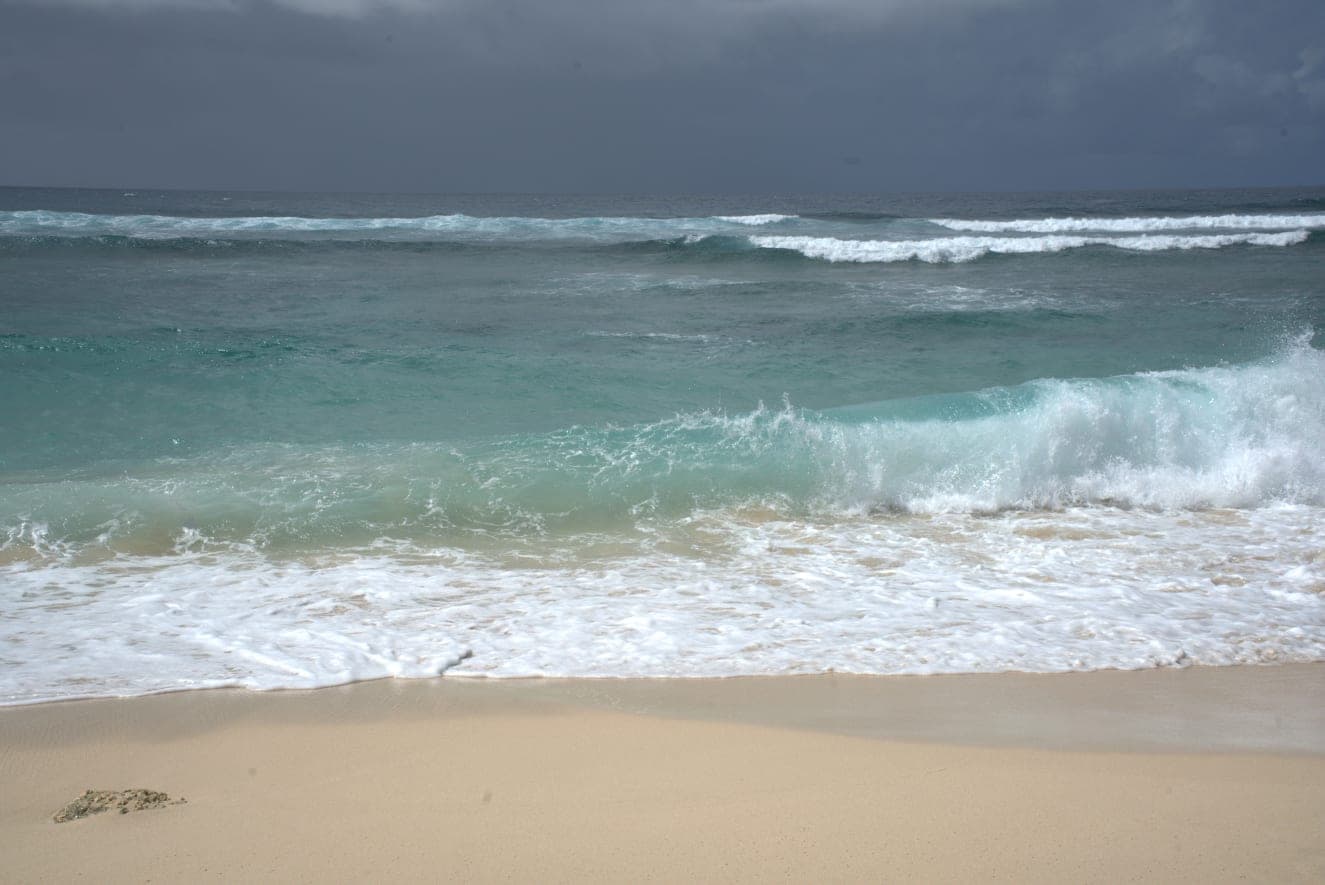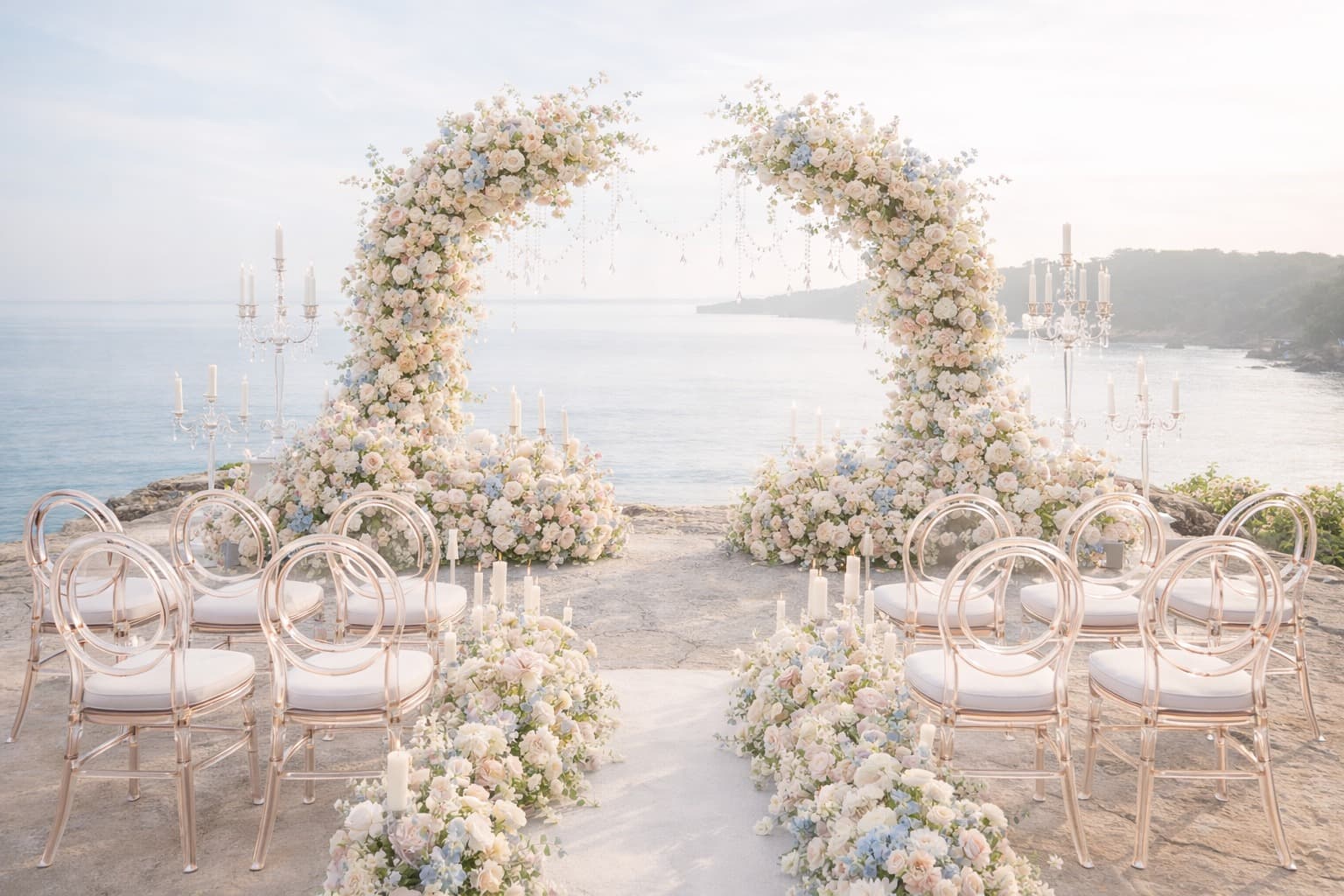

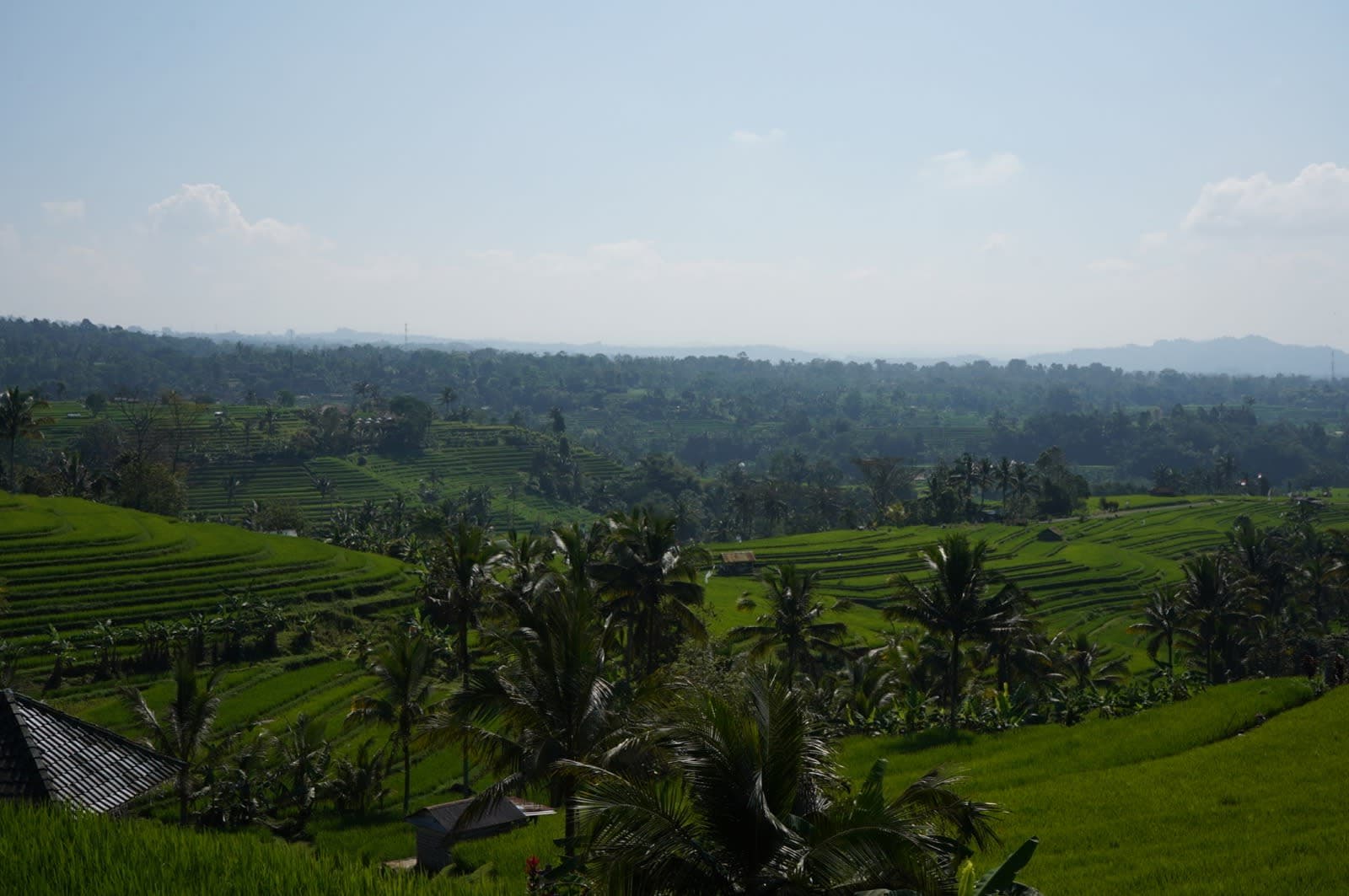
From defining your wedding experience to understanding legal requirements, this guide walks international couples through every stage of planning a destination wedding in Bali.
Introduction
Planning a destination wedding in Bali is not only about choosing a beautiful island. It is about designing an experience that reflects who you are, how you wish to gather, and what you want your celebration to feel like.
Bali offers a rare combination of dramatic landscapes, refined hospitality, living culture, and diverse environments — from ocean cliffs and private villas to jungle retreats and sacred valleys.
Yet with this beauty comes complexity. A destination wedding requires thoughtful structure, local knowledge, and careful guidance — not only to create beauty, but to ensure calmness, flow, and meaning throughout the journey.
This guide is written to help you understand how destination weddings in Bali truly work — beyond inspiration — and how to plan one with clarity and confidence.
Why Bali Remains One of the World's Most Desired Destination Wedding Locations
Bali is not one destination. It is many worlds within one island. Couples are drawn to Bali because it offers:
Dramatic oceanfront and cliffside landscapes
Lush jungle and riverside environments
Private villas and hidden estates
Five-star resorts and boutique retreats
A deeply spiritual and artistic culture
Within short distances, you can move between entirely different atmospheres — allowing weddings to be shaped around feeling, not only visuals. This diversity makes Bali uniquely suited for destination weddings, private villa weddings, intimate celebrations, elopements, and multi-day luxury experiences.
Step One — Define the Experience You Want to Create
Before choosing a venue or style, the most important decision is: What kind of wedding experience are you creating?
In Bali, weddings are most successful when they are designed around experience rather than scale. Some couples are drawn to:
Destination celebrations with friends and family
Private villa weddings that unfold over several days
Intimate weddings centered on connection
Elopements focused on presence and place
Luxury experiences defined by design and flow
Understanding this from the beginning will guide every other choice — from location to guest experience, design direction, and budget structure.
Step Two — Choose the Right Area of Bali
Each region of Bali carries a distinct emotional quality. Choosing the right area is less about popularity, and more about resonance.
Uluwatu — dramatic cliffs, ocean horizons, refined and cinematic
Ubud & Tegalalang — jungle, rivers, spirituality, artistic energy
Canggu — creative, modern, private villa lifestyle
Seminyak — boutique luxury, central elegance
Nusa Dua — resort luxury, beachfront formality
East Bali — sacred mountains, quiet valleys, soulful landscapes
Tabanan — rice fields, hidden estates, sustainable luxury
Nusa Penida — remote, cinematic, adventure-driven
North Bali — eco-luxury, national parks, retreat environments
Your destination choice shapes not only your venue — but your entire wedding atmosphere.
Step Three — Select a Venue That Supports Your Story
In Bali, venues are not interchangeable. A venue determines guest flow, ceremony atmosphere, design potential, logistical complexity, and emotional rhythm.
Common Bali wedding settings include:
Private villas and estates
Cliffside venues
Jungle and riverside retreats
Boutique resorts
Eco-resorts and national park environments
Rather than asking "what looks beautiful," the better question is: "What environment supports the experience we want to create?"
Step Four — Understand the Planning Structure
A destination wedding in Bali involves layers that couples often don't see. These include:
Local vendor coordination
Venue and regional logistics
Guest experience design
Ceremony planning
Cultural and environmental considerations
Design development
Production flow
A professional destination wedding studio manages not only vendors, but systems — ensuring that creativity is supported by structure. This is what allows weddings to feel calm, not chaotic.
Step Five — Design the Experience, Not Just the Decor
Design in destination weddings goes far beyond flowers and styling. It includes how guests arrive, how spaces transition, how the ceremony unfolds, how sound, light, and movement interact, how moments are paced, and how intimacy is protected.
The most meaningful weddings in Bali are those where design supports emotion, not distraction.
Step Six — Plan for Your Guest Experience
Destination weddings are shared journeys. Guest experience planning includes:
Travel flow
Accommodation selection
Welcome moments
Shared meals
Day-after experiences
Cultural sensitivity
Comfort and accessibility
Well-designed destination weddings feel welcoming, unrushed, intuitive, connected, and considered. This is where professional planning has its greatest impact.
When to Begin Planning a Bali Destination Wedding
Ideally, couples begin planning 10–14 months before their wedding — earlier for private villas, peak seasons, or multi-day celebrations. This allows time for concept development, venue access, thoughtful design, guest planning, and calm execution.
The couples who feel most at ease on their wedding day are invariably those who gave themselves the gift of time in the planning phase.
Begin Your Destination Wedding Journey
If you are exploring a destination wedding in Bali, we invite you to begin with clarity rather than checklists. Each celebration is custom-designed and intentionally guided — shaped around place, emotion, and artistry.